

About Motive Logistics
Enterprise-level logistics leadership, embedded directly within small and mid-sized manufacturing and distribution operations.
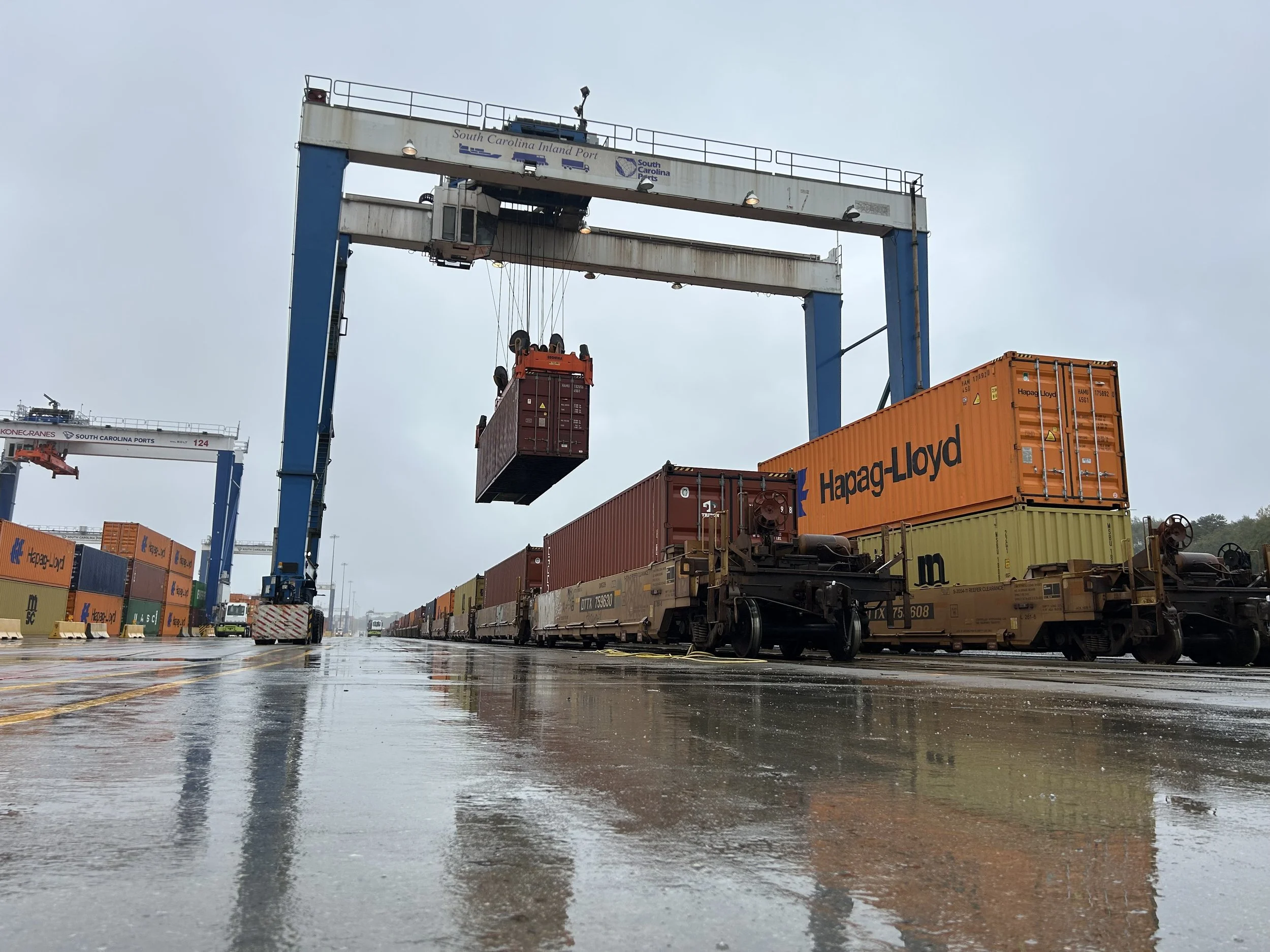
Most consulting happens outside the business
This does not
Motive Logistics was built around a different operating model.
Traditional consulting often works at a distance:
analyzing data externally
presenting recommendations
leaving internal teams to execute
That model creates a gap between concept and reality.
Our work is done within the business.
It operates as a supplement to the existing team, not a replacement:
working directly with operations, customer service, and leadership
understanding real constraints in real time
shaping decisions as they are being made
The goal is not to deliver presentations. The goal is to improve how the logistics system actually performs.

Most small and mid-sized companies do not lack effort. They lack structure.
In many manufacturing and distribution businesses, logistics is handled across multiple roles:
operations
purchasing
customer service
But without clear ownership and structured visibility:
key components of cost are not fully identified and understood
performance is difficult to track and measure consistently
decisions are made reactively instead of proactively
Over time, this creates inefficiency that is difficult to isolate.
The issue is not activity. It is the absence of a structured system behind that activity.
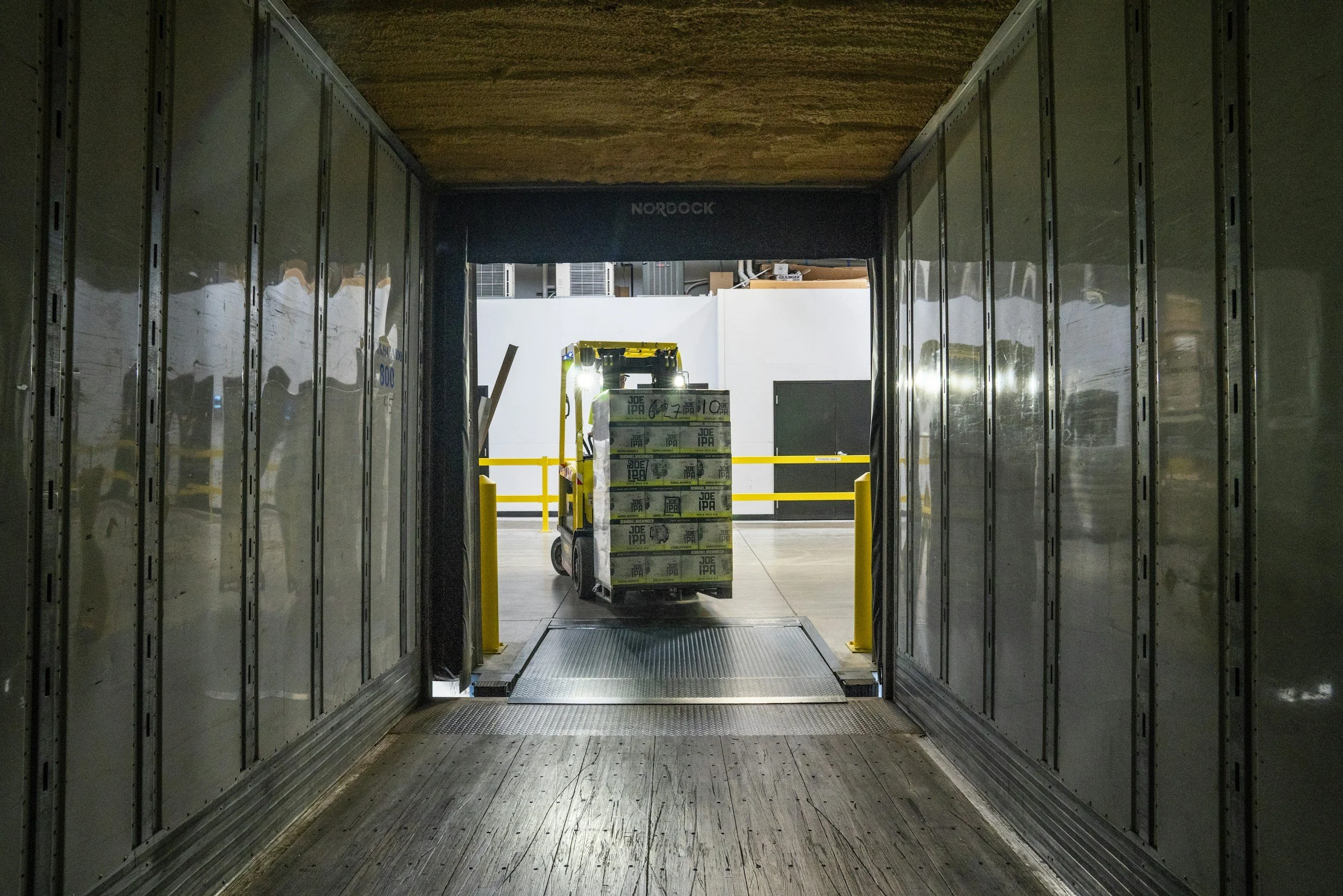
Enterprise-level operations, analytics, and strategy, without full-time overhead
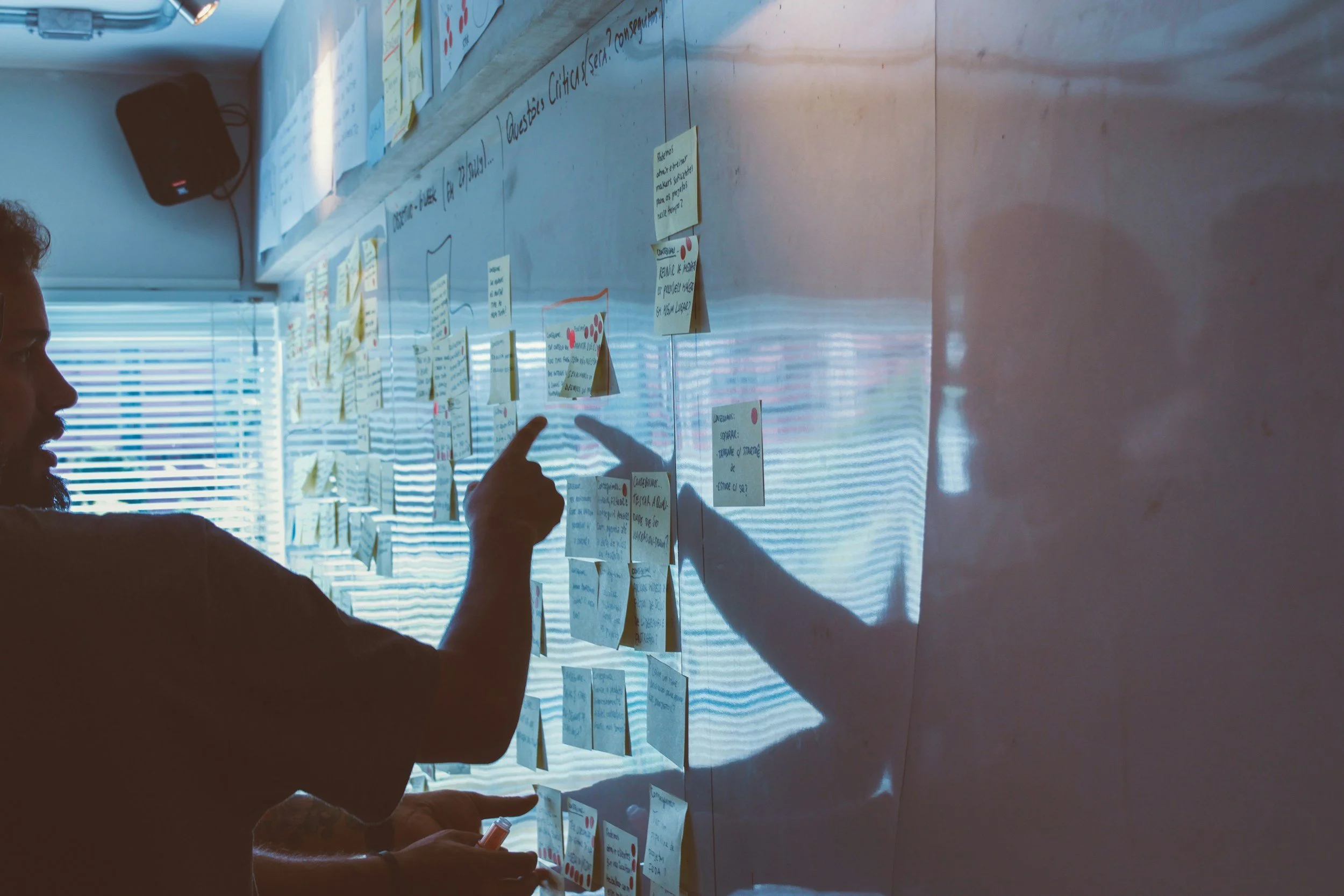
Large organizations solve this problem by building full-time, permanent teams to run analytics, continuous improvement, and network optimization.
Small and mid-sized companies cannot justify that level of headcount.
The Fractional Head of Logistics model closes that gap.
It distills down the value-adding components of enterprise-level teams to provide access to:
optimized process within the operation
actionable insights drawn from analytics
logistics network strategy that capitalizes on these insights
. . . without requiring a full-time executive hire.
This allows businesses to make higher-quality logistics decisions without adding unnecessary fixed cost.
Decisions are driven by operations, analytics, and strategy working together
This model is structured around three integrated layers:
Operations
Leading the tactical, day-to-day logistics operation within the business and adopting best practices that typically only larger businesses can access
Analytics
Drawing actionable insights from the data that’s already there
Strategy
Capitalizing upon those insights to identify optimization opportunities and build a roadmap for the future
This ensures that improvements are not isolated actions, but part of a coordinated system.


Real-World Experience changes how logistics problems are solved
Many consulting organizations are built around:
career consultants with limited operating experience
junior teams executing standardized methodologies
This model is different.
The work is led by a logistics practitioner who has:
operated within large-scale complex logistics environments
been accountable for cost, service, and execution
worked directly within manufacturing and supply chain systems
That experience changes:
which problems are prioritized
how quickly root causes are identified
what solutions are actually practical
The result is not theoretical improvement.
It is operational change that can be implemented within the business.
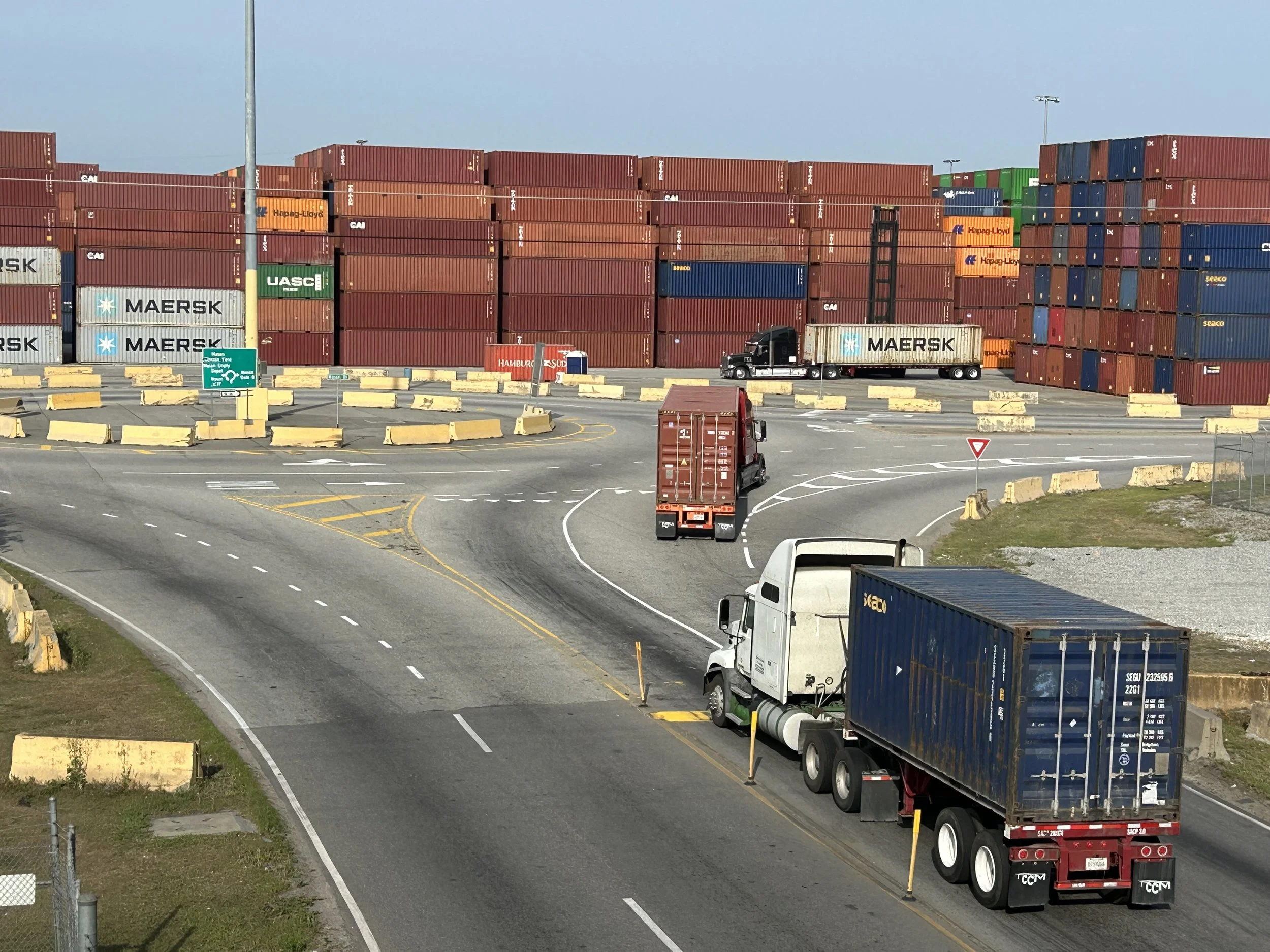
Logistics performance improves when the system is understood
The most meaningful gains in logistics do not come from doing more activity.
They come from:
understanding what is driving cost and variability
structuring processes to reduce recurring issues
using data to guide decisions consistently
That perspective is what Motive Logistics brings into each engagement.
Start With A Conversation
If logistics cost, performance, or processes are difficult to clearly explain, the issue is usually a lack of visibility and structure.
The first step is understanding what is actually happening within the logistics network.