Fractional and Interim
Head of Logistics
for Manufacturers & Distributors
Under 500 Employees
If your logistics seems expensive, inconsistent, or unclear, it’s usually not a lack of data.
It’s a lack of structured analysis and ownership throughout inbound, operations, and outbound.

Gain full visibility of:
Freight spend
Inventory and working capital
Material flow and warehouse performance
And a clear 90-day plan to improve cost, service, and tied-up capital.
Fractional (Part-Time, Ongoing)
Defined scope
Continuous improvement
Embedded alongside your team
Interim (Full-Time, Temporary)
Immediate deployment
Full ownership of logistics
Stabilize and restructure quickly
Where Logistics Breaks Down
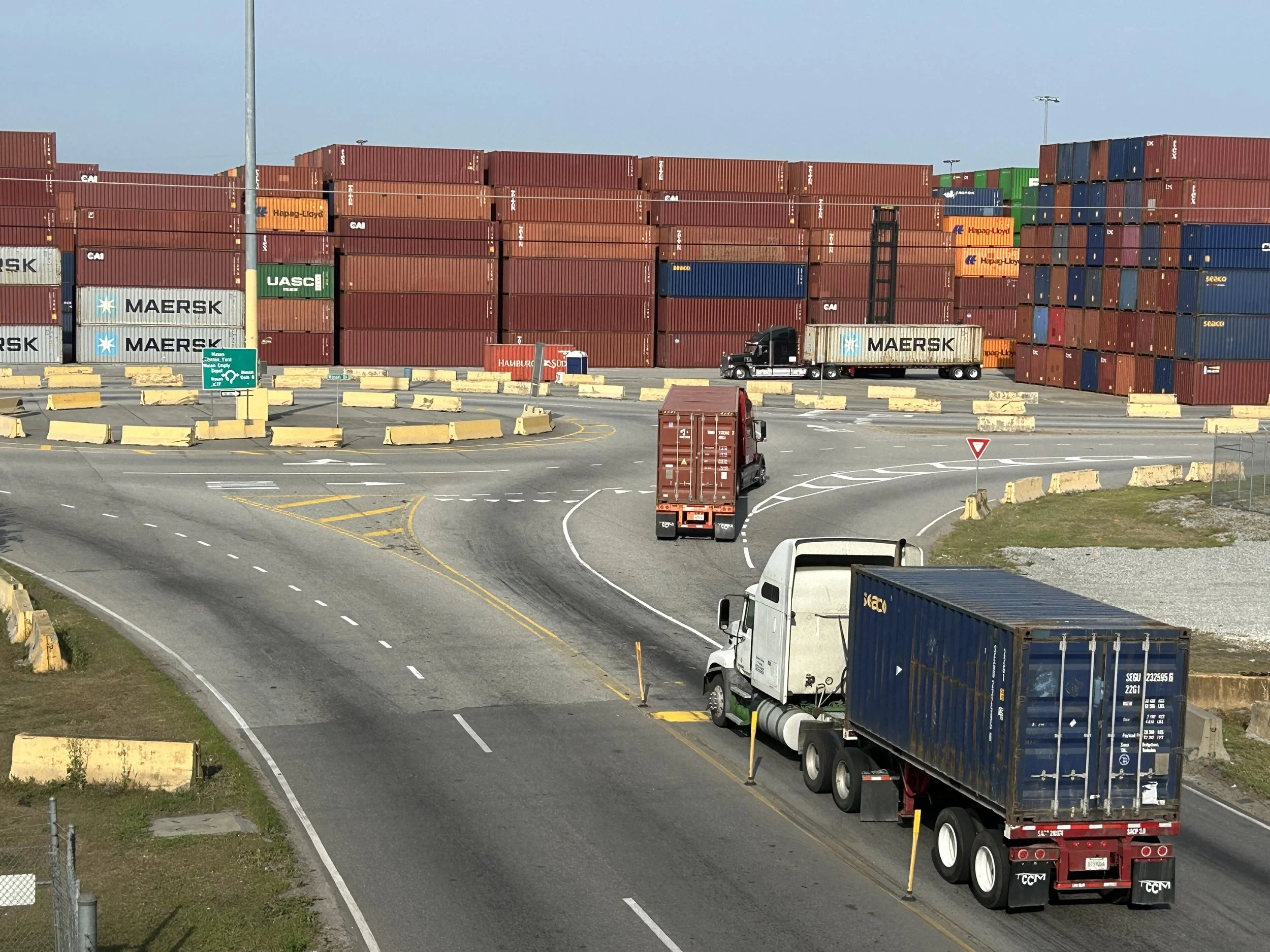
First Mile (Inbound Transportation)
Limited visibility of inbound freight and inventory in transit
Ocean freight issues:
Detention and demurrage costs
Poor coordination between port, drayage, and final delivery
Supplier lead times not aligned with production or demand
Freight costs creeping up
Middle Mile (Warehousing & Material Flow)
Minimal visibility of inbound shipments arriving at the dock
Lack of robust dock scheduling processes
Inventory challenges
Too much of the wrong inventory
Not enough of the right inventory
Slow moving stock, Dead stock, Excess stock, Obsolete stock
Inefficient material flow
Excess handling and touches
Unoptimized warehouse layout or slotting
Disconnect between receiving, storage, and production or fulfillment
Last Mile (Outbound Transportation)
Freight costs rising without clear explanation
No or minimal data analysis to identify trends and to draw actionable insights
No structured cost visibility:
Linehaul rates vs accessorial charges
Invoice variances (Quoted rate vs Invoiced rate)
Data stratification across:
Transport mode
Lane, Region
Consignee
Product Line
Carrier performance inconsistent
Decisions made reactively instead of proactively
The work gets done, but no one has visibility of the full system or owns the outcomes.
The Real Issue Isn’t Activity. It’s Having Structured Processes.
Most companies are managing the tactical, day-to-day side of logistics.
But:
Decisions are managed by a fragmented org chart
Data isn’t used to draw actionable insights
No one owns the logistics management system among all three layers:
Operations
Analytics
Strategy
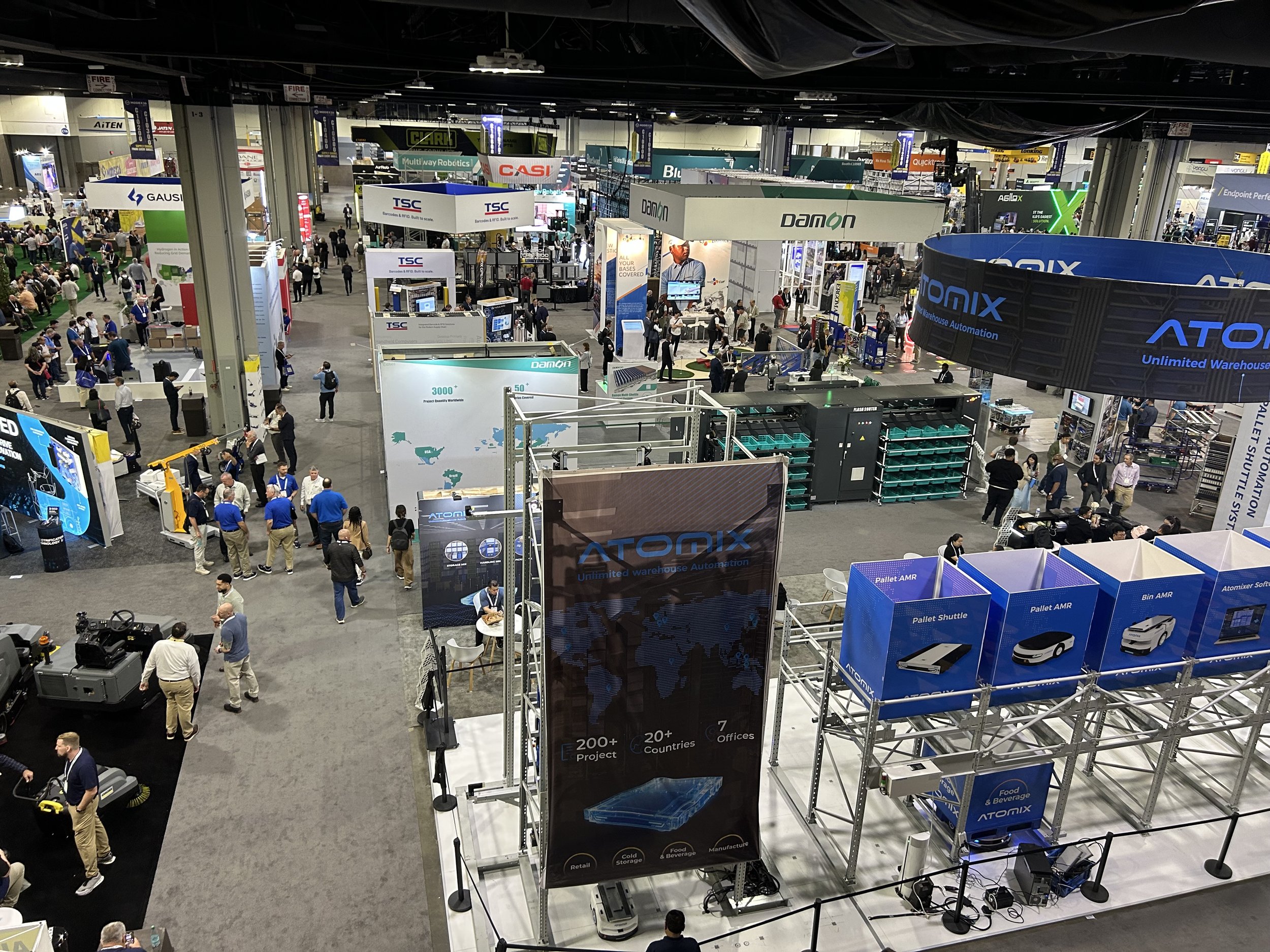

How Logistics Is Actually Managed
Most companies only manage logistics via the Operations layer.
Without Analytics, there is no visibility.
Without visibility, there is no Strategy.

Operations
Shipments are scheduled and tracked. Simple exceptions are handled without the need for much oversight.

Analytics
Data is collected, and insights are drawn to identify primary cost components, root causes of those exceptions, and trends over time.

Strategy
The data-driven insights are capitalized upon to identify solutions to root causes and to reduce cost, improve service, and optimize inventory and material flow.

Step 1: Visibility
Inbound flow and supplier alignment (first mile)
Inventory and working capital alignment (middle mile)
Detailed freight cost breakdown (last mile)
Step 2: Stratify & Identify
Cost components (transportation + operations)
Working capital tied up in inventory
Service, skill, and performance gaps
Step 3: 90-Day Plan
Focused on:
Reducing freight cost
Improving inventory positioning
Stabilizing operations, processes, and the org structure
Creating robust, efficient, repeatable processes

Fractional or Interim
Based on What You Need

Fractional Head of Logistics
Part-time, embedded leadership
Pre-determined, well-defined scope
Ongoing improvement and oversight
Ideal when:
There is no dedicated logistics leader and a full-time role can’t be justified
The operation requires analytical and strategic capabilities not currently available in the existing organization
Interim Head of Logistics
Full-time, temporary leadership
Immediate deployment
Broad scope and full ownership
Ideal when:
The operation needs rapid stabilization
Leadership gaps exist
Time is critical
Both models provide the same outcome:
Logistics leadership that uses facts and data to make good business decisions.
What This Changes
20%+ freight cost reductions
$2M+ transportation savings
Improved inventory alignment and working capital
Reduced damage and improved carrier performance
More predictable, structured operations


Start With Visibility
If your logistics seems:
Expensive
Inconsistent
Difficult to explain
The first step is not replacing systems or vendors.
The first step is understanding what’s actually happening within your logistics network.