Who This Is For
Logistics Leadership for Manufacturers and Distributors that need visibility, optimization, and ownership in their logistics network Without Hiring a Full-time Executive
Most companies already have someone managing the tactical, day-to-day aspects of logistics.
A Shipping & Receiving Manager. A Purchasing Manager. Customer Service. Operations.
But when it’s unclear what, if anything, can be done about rising costs. . .
When it seems like too much capital is tied up in inventory. . .
When decisions are more reactive than proactive. . .
. . . the issue isn’t effort.
The real issue is a lack of structured, experienced logistics leadership.
This page outlines the types of businesses for whom a fractional or interim model is designed and when it might not be the right fit.

This Is Designed For Manufacturers and Distributors Under 500 Employees
Companies where logistics is being managed, but no one is optimizing it
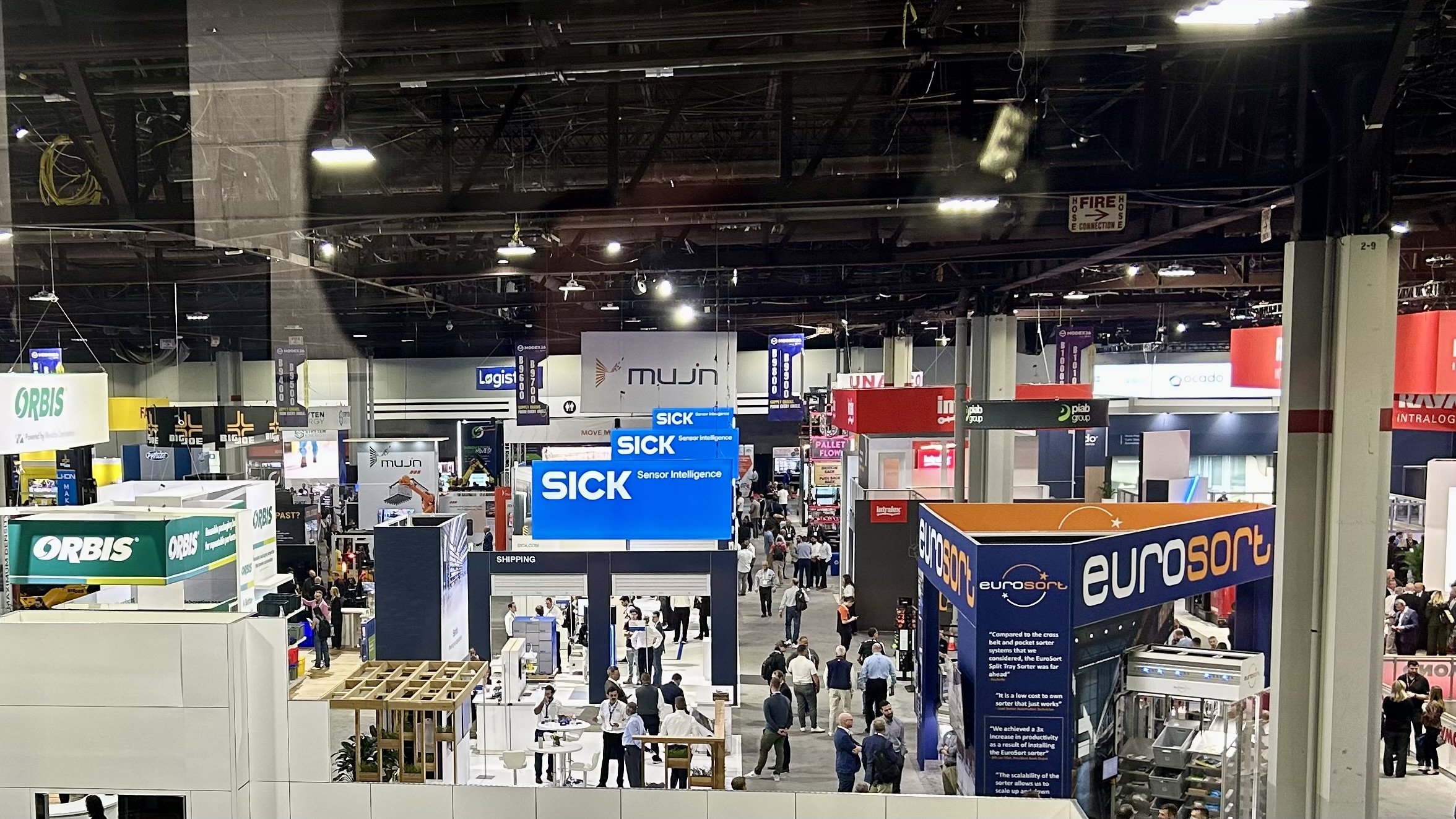
This model is built for small and mid-sized manufacturers and distributors where logistics is necessary for the business but there is not a full-time team dedicated exclusively to logistics.
In these environments, logistics is typically handled by:
Operations
Purchasing
Customer Service
The day-to-day, operational side of logistics is managed, but visibility, analytics, deep problem solving, and true optimization are limited.
This could be caused by a knowledge or skills gap, or it could be caused by a team tied up in their own duties with little time or cognitive capacity to focus on logistics network optimization.
This is where fractional or interim logistics leadership adds value.
Common Signals That This Is a Good Fit
What it usually looks like before engagement
Most companies we work with recognize the need for change through a combination of these signals:
Freight and Transportation
It’s difficult to generate a detailed month-over-month freight cost overview
Freight costs are rising, but the key components are unclear
Limited visibility of cost by lane, mode, customer, carrier, or product line
Heavy reliance on freight brokers without structured performance management
Accessorial charges continue to be tacked on with no obvious reason
Inventory and Operations (Middle Mile)
Capital investment is being affected by inventory levels
Service is being affected by a lack of available stock
Dock congestion or inconsistent shipping and receiving flows
Inefficient warehouse put-away, picking, and packing processes
Inventory inaccuracies
It’s difficult to tell if there is a way to optimize the warehouse
Inbound (First Mile)
No overview of in transit shipments or reporting on trends
Limited visibility of inventory tied up in transit
Freight arrives unannounced, later than planned, or without scheduling
Ocean freight delays, detention, or demurrage issues
Weak coordination between suppliers, ocean carriers, and drayage providers
No well-defined process to confirm what you think is in transit is actually in transit
Decision-Making
Logistics decisions are reactive instead of proactive
Data exists but is not aggregated, stratified, and analyzed to generate actionable insights
No access to enterprise-level systems and processes
These are all symptoms of a system that lacks structure and visibility.

This Is a Strong Fit When You Need Leadership, Not Just Support
The difference between activity and ownership
This model is designed to add the missing layers of logistics management to your business. Most companies manage the Operations layer just fine, but the Analytics and Strategy layers that provide true optimization are often missing.
That means:
Organizing data into clear visibility
Identifying cost and performance drivers
Aligning inbound, warehousing, and outbound logistics
Creating robust, repeatable processes
Supporting execution across teams
Most companies already have the Operations layer.
What they need is a leader owning the Analytics and Strategy layers, too.
When A Fractional Head of Logistics Is the Right Fit
Experienced, part-time leadership embedded into your operation
Fractional is the right fit when:
The business is under-optimized with no clear direction toward optimization
There is no dedicated logistics leader
A full-time, permanent Head of Logistics cannot be justified
Another role oversees logistics in addition to their regular duties
This approach provides ongoing leadership, right-sized to your business, without the cost or commitment of a full-time executive.

When An Interim Head of Logistics Is the Right Fit
Full-time, immediate ownership when time matters
Interim is the better fit when:
A full-time logistics leadership role existed but is now (or will soon be) vacant
The operation needs immediate stabilization, oversight, and continuation of existing initiatives
Scope is broad or unclear
Decisions need to move quickly
This model provides full-time, temporary leadership to step in, take control, and create structure quickly.
This Is Not The Right Fit For Every Business
Where This Model Does Not Apply
Companies with fully built logistics organizations
If you already have:
A Logistics Director or VP
Dedicated analysts
Systematic reporting and well-developed processes
You likely do not need fractional leadership.
Companies looking only for rate reductions
If the goal is:
“Find cheaper carriers”
“Get better rates”
Without addressing structure, process, or visibility, this model is not the right fit.
Truly optimizing your logistics network brings its own cost savings, but balancing cost, service, and performance is nearly impossible with the focus only on existing rates.
Companies not ready to change how decisions are made
This approach requires:
Willingness to use data
Willingness to change processes
Alignment across teams
Without that, results will be limited.

What Companies Typically Gain
The Outcome of Structured Logistics Leadership

Companies that are a good fit typically see:
Clear freight cost visibility
Improved carrier performance
Less capital tied up in inventory
Reduced accessorial charges and other avoidable costs
Lower freight costs from network optimization, not procurement of cheaper carriers
More consistent operations
Less pressure on internal teams
Visibility of available technology in the marketplace to aid in optimization
The result is not just cost reduction.
It is enterprise-level systems, processes, and decision-making
See If This Fits Your Business
Start by understanding what’s happening in your logistics network
If your logistics seems:
Expensive
Inconsistent
Difficult to understand or explain
The first step is visibility.
From there, we can determine whether fractional or interim logistics leadership is the right fit.
Let’s walk through your logistics environment and identify where structure, visibility, and ownership would make the biggest difference.