
What a
Fractional Head of Logistics
Actually Does
Most manufacturers and distributors under 500 employees are accomplishing the tactical, day-to-day side of logistics with their existing team.
They have inbound freight picking up from suppliers and delivering to the plant or warehouse.
They have inventory being received, put away, stored, picked, packed, staged, or delivered to production.
They have outbound freight moving to customers, distribution centers, or job sites.
The work gets done.
But in many companies, no one has exclusive, dedicated ownership of logistics outcomes.
That is where a Fractional Head of Logistics adds true value.
The Ownership Gap
Logistics is often managed by other functions, such as Purchasing, Operations, or Customer Service.
That can work for many years. Until. . .
Freight costs start to rise
Inventory starts consuming the balance sheet
Inbound freight arrives with short (or zero) notice
Carriers miss pickups, forget to schedule deliveries, and become less responsive
No one can explain what really drives cost, service, or operational issues.
The problem is not that nothing is happening.
The problem is that no one owns the system end to end.
Fractional Means Embedded Leadership
Fractional logistics leadership is part-time logistics leadership embedded into your business.
It is not traditional consulting, providing recommendations in slide decks created by junior consultants with little real experience.
It is not a report to be handed over and left for your team to figure out.
It is not a freight broker trying to move your freight.
It is an operating role. It is a highly analytical role. It is a role that enables you to leverage enterprise-level strategic leadership.
We step into the business as the logistics owner you do not currently have.
The scope can be narrow or broad, depending on what the business needs.
For some companies, that starts with freight cost visibility.
For others, it may include carrier performance, dock scheduling, inventory positioning, supplier inbound planning, or warehouse processes.
The point is not to add another layer of complexity.
The point is to distill down all of the skills and best practices of multi-billion-dollar organizations. . .
Data Analytics
Process Development
Footprint Analyses
Long-term, Strategic Planning
Network Optimization
Tech Adoption
. . . into one single, experienced, part-time (fractional) role.
You are not just buying advice.
You are adding a multi-layered logistics leadership model.

Logistics Includes
First Mile, Middle Mile, and Last Mile
When we discuss logistics, we do not mean transportation only.
We define logistics as three interconnected pillars.
First Mile: Inbound From Supplier
The movement of materials from suppliers into your operation to your plant or warehouse.
It includes:
Domestic inbound freight
Ocean freight
Port handoffs and drayage
Air freight
Detention and demurrage
Supplier lead times
Inventory in transit
When first mile logistics is not managed well, inbound freight becomes unpredictable.
Materials arrive late, early, or without visibility.
Ports, drayage providers, carriers, and receiving teams do not always stay aligned.
That creates cost, disruption, and confusion before the material ever reaches your dock.
Middle Mile: Within the Plant or Warehouse
Everything from the receiving dock to the shipping dock.
In a manufacturing environment, that may include:
Receiving
Raw material warehousing
Finished goods warehousing
Lineside planning
Material flow
In a distribution environment, that may include:
Receiving
Put away
Slotting
Pick-pack
Replenishment
Shipping
Middle mile logistics is where many companies have the most hidden opportunity.
Sometimes there is too much of the wrong inventory. Sometimes there is not enough of the right inventory.
Sometimes material is touched too many times.
Sometimes the dock is overloaded because inbound freight is not scheduled well.
Sometimes warehouse layout, slotting, or flow decisions create extra labor and delay.
The goal is not simply inventory reduction.
The goal is right-sized inventory, better flow, and clearer control.
Last Mile: Outbound to Customer or Distribution Center
The movement of freight from your business to customers, distribution centers, or other facilities.
It includes:
Domestic outbound freight
Ocean freight and Air freight
Mode selection
Carrier performance
Accessorial charges
Routing decisions
Cost trends
Service performance
This is where companies often feel pain first.
Freight costs keep rising. Carriers become inconsistent. Accessorial charges build up.
Costs are visible at the invoice level, but not always structured by lane, mode, customer, carrier, product line, or geography.
Without that structure, it is hard to see what is really changing.
And if you cannot see the trend, you cannot manage the trend.
Our Three-Layer Logistics Management Model
Most companies manage logistics almost entirely through the Operations layer.
But logistics is not fully managed unless Operations, Analytics, and Strategy work together.
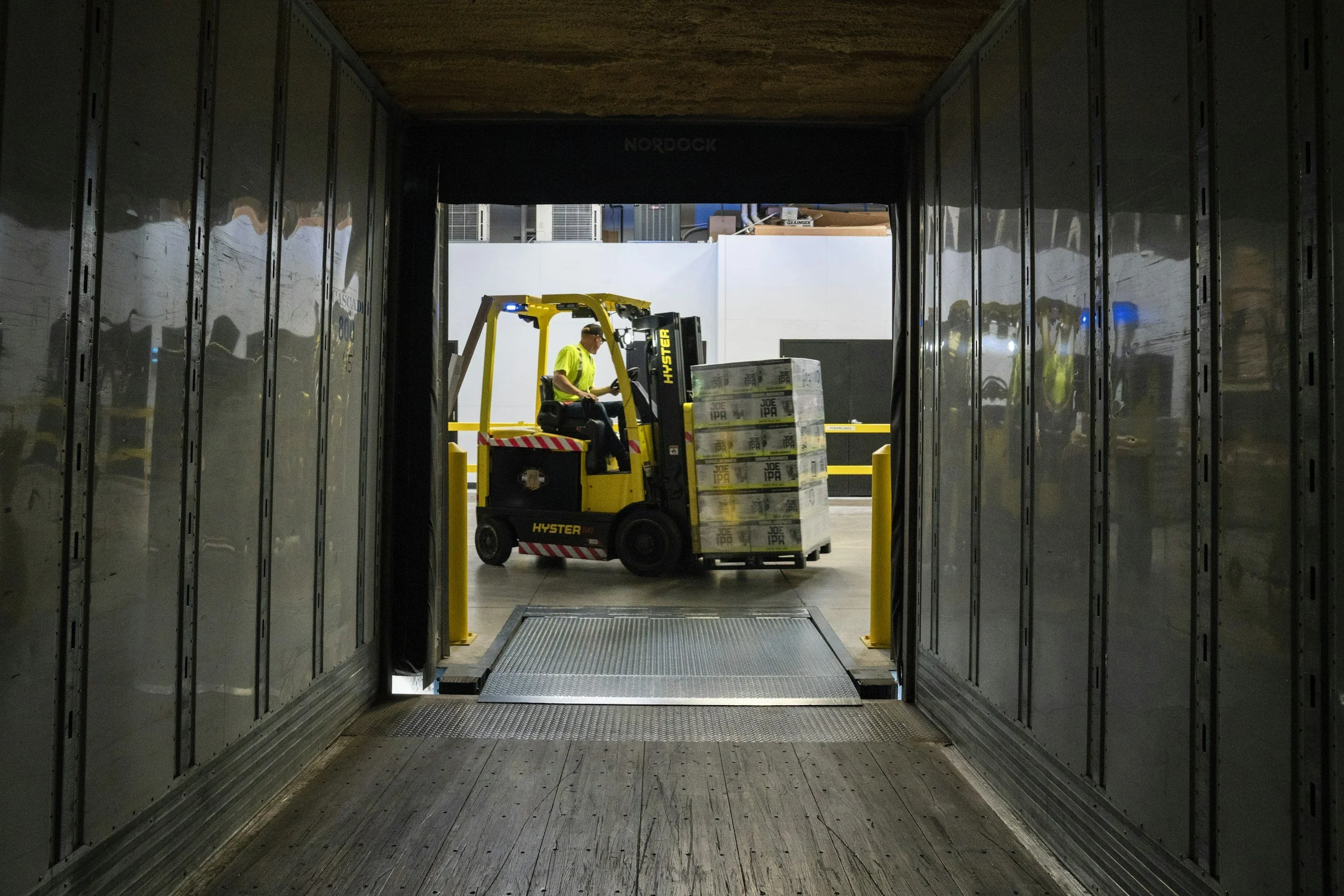
Operations
Operations is the day-to-day work.
It includes:
Scheduling shipments
Resolving exceptions
Working with carriers
Managing docks
Coordinating handoffs
Keeping material flowing
This layer is necessary, but by itself, it is reactive.

Analytics
Analytics creates visibility and draws actionable insights from the data.
It includes:
Freight cost breakdowns
Mode and lane analysis
Carrier performance tracking
Accessorial analysis
Inventory positioning
Dock and flow visibility
Trend identification
This is where many companies fall short.
They have the data.
They just do not have it structured in a way that supports better decisions.

Strategy
Strategy capitalizes on the actionable insights to truly optimize the logistics network
It includes:
Reducing freight cost
Improving carrier performance
Right-sizing inventory
Reducing avoidable fees
Improving service
Building repeatable logistics processes
Without Analytics, there is no visibility.
Without visibility, there is no Strategy.
That is why logistics leadership has to include all three layers.
What Changes When We Become Involved
Before, logistics decisions are often reactive and based on guesses and hunches.
After, there is a structured process, basing decisions on facts and data.
Before, freight costs are reviewed after the invoice arrives.
After, freight spend is categorized, trended, and managed.
Before, inbound freight visibility depends on who has the latest email.
After, inbound timing, dock capacity, and receiving priorities become part of the process.
Before, inventory problems are discussed after they affect production, storage, or service.
After, inventory positioning is reviewed as part of the logistics system.
Before, carrier issues are handled one load at a time.
After, carrier performance is measured and managed.
Before, logistics is spread across multiple functions.
After, there is a clear owner.


Most engagements begin with visibility.
That may include:
Freight cost breakdown
Shipment and invoice data review
Accessorial analysis
Carrier performance review
Inventory and working capital review
Inbound freight visibility review
Dock, warehouse, or material flow assessment
The goal is to understand what is actually happening before deciding what to change.
From there, we build a 90-day plan focused on:
Reducing cost
Improving performance
Increasing visibility
Creating robust, repeatable processes
Bringing structure to logistics decisions
When Fractional Is The Right Fit
Fractional logistics leadership is usually a good fit when:
You are a manufacturer or distributor under 500 employees
You do not have a dedicated logistics leader
Logistics is handled by Operations, Purchasing, or Customer Service
You have data, but not enough visibility
Freight costs seem high or unclear
Inventory or material flow is creating pressure
Carrier performance is inconsistent
You need leadership, but not a full-time logistics executive
Fractional works best when the business needs structure, analysis, and ongoing ownership, but does not need someone full-time every day.
When Interim Is The Better Fit
Sometimes fractional is not enough.
If the situation is urgent, the business may need interim logistics leadership instead.
Interim means full-time, temporary logistics leadership.
It is a better fit when:
A logistics leadership role is vacant
Operations need immediate stabilization
Scope is broad or still undefined
Time matters
The business needs someone to step in quickly and own the function
Fractional is part-time and scoped.
Interim is full-time and urgent.
Both models offer the same outcome in a different manner:
Experienced logistics leadership within the business.
Outcomes
The goal is not getting things done.
The goal is enterprise-level optimization, better logistics decisions, and better business outcomes.
That can include:
Lower freight cost
Better cost visibility
Improved carrier performance
Reduced detention, demurrage, and other accessorials
Better inventory positioning
Improved material flow
Less process waste in the warehouse and at the docks
Better service to customers
Less pressure on Operations, Purchasing, Customer Service, and Finance
We have helped companies achieve:
20%+ freight cost reductions
$2M+ annual transportation savings
50% reduction in freight damage
$1M+ inventory discrepancies identified and corrected


If your logistics seems expensive, inconsistent, or difficult to explain, the first step is not replacing your systems or providers.
The first step is understanding what is actually happening.
From there, we can determine whether fractional or interim logistics leadership is the right fit.
Let’s walk through your logistics environment and identify where structure, visibility, and ownership would make the biggest difference.